There’s something quietly special about wildlife in the Peak District. It doesn’t feel staged or rare. Instead, it’s woven into the rhythm of the landscape, something you notice gradually, often when you slow down enough to really see what’s around you.
From open moorland to sheltered valleys, dry stone walls to ancient woodland, each part of the Peak District has its own character, and with it, its own wildlife.
Early mornings and late evenings
If you’re hoping to spot wildlife, timing matters more than anything.
The early morning, just as the light begins to lift, and the final hour before dusk are when the landscape feels at its most alive. These are the quieter moments of the day, fewer people, softer light, and a sense of stillness that allows wildlife to move more freely.
It’s often in these in-between times that the most memorable sightings happen.
Deer moving through the landscape
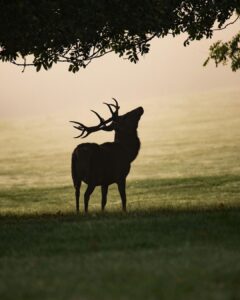
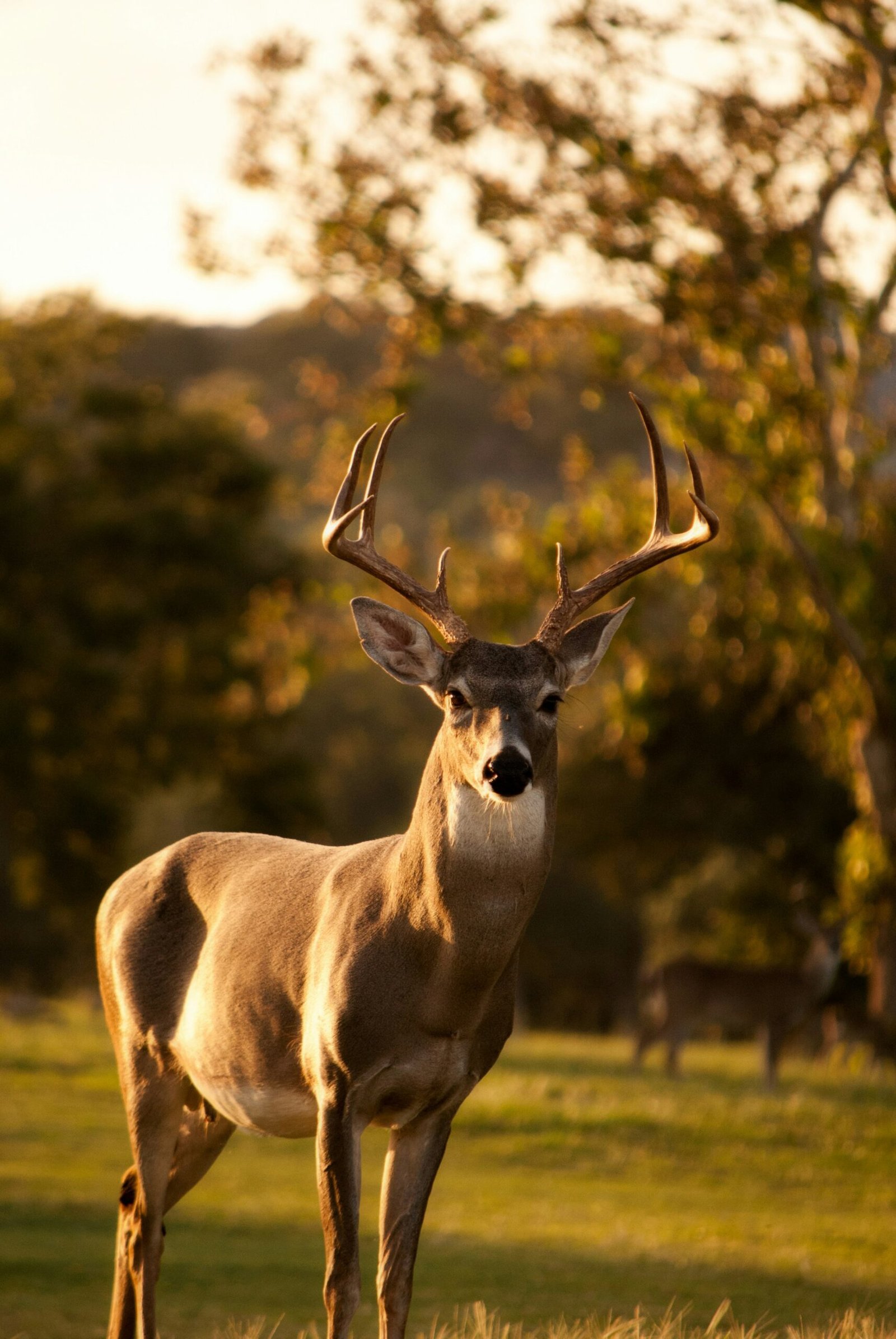
Red and roe deer are among the most quietly striking animals you might encounter. They tend to stay close to the edges, woodland borders, long grass, or the far side of a field.
You’ll rarely see them for long. A pause, a glance, and then they’re gone.
But there’s something about that brief moment, seeing them move so naturally through the landscape, that stays with you.
Birds of prey overhead
Look up as you walk and you’ll often see movement above before you hear anything.
Kestrels are a familiar sight, hovering almost perfectly still before dropping suddenly into the grass below. Buzzards circle higher, riding the thermals, their call echoing across the valley.
These are not unusual sightings here, and that’s part of what makes them feel so special. They become part of the backdrop to a walk, rather than a rare event.
The call of the curlew
On the moorland, sound becomes just as important as sight.
The call of the curlew is one of the most distinctive sounds of the Peak District in late spring and early summer. It’s a soft, bubbling call that carries across open spaces, often heard long before the bird itself is visible.
It adds something to the landscape that’s hard to describe, a sense of space, quiet, and something timeless.
As the light begins to fade
As evening draws in, the atmosphere shifts almost without you noticing.
This is when barn owls begin to appear, gliding low over fields in search of movement in the grass below. Tawny owls follow later, their calls echoing through wooded areas as darkness settles.
Even if you don’t see them, knowing they’re there, just beyond view, adds a different kind of stillness to the end of the day.
The detail beneath your feet
Not all wildlife moments are large or dramatic.
In June, the meadows are filled with wildflowers, buttercups, clover, oxeye daisies, creating a constant, gentle movement of bees and butterflies. If you slow your pace, even briefly, there’s an entire world playing out at ground level.
It’s easy to miss if you’re walking quickly. But if you pause, even for a moment, it becomes part of the experience.
Where to look
You don’t need to go far or plan anything complicated to experience wildlife here, but a few places are particularly rewarding:
- Curbar Edge & Froggatt Edge
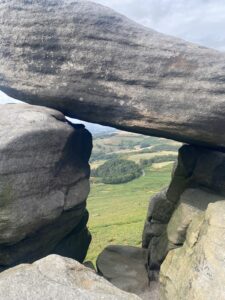
Open views, ideal for spotting birds of prey riding the thermals. - Longshaw Estate
A mix of woodland, open moor and streams, good for a wide variety of wildlife. - Monsal Trail
Easier walking, with chances to spot birds, wildflowers and the occasional deer along quieter stretches. - Padley Gorge
A more sheltered, wooded setting where you might hear owls or spot smaller birds among the trees.
A quieter kind of experience
What makes wildlife in the Peak District feel so memorable isn’t dramatic encounters or rare sightings.
It’s the way it fits so naturally into the landscape, unhurried, undisturbed, and often found when you’re not actively looking for it.
Walk a little slower. Pause a little longer. Look up, and then down again.
More often than not, that’s when you’ll notice it.